Hedge Trimming in Stoke Newington: Keeping Gardens Neat, Healthy, and Attractive
Why Hedge Trimming in Stoke Newington Matters

Hedge trimming in Stoke Newington is more than a routine garden task. It is one of the simplest ways to keep outdoor spaces looking polished, manageable, and welcoming throughout the year. In a neighborhood known for its mix of period homes, terraced streets, and compact gardens, well-maintained hedges can make a major difference to both curb appeal and privacy.
Whether you have a formal front hedge, a boundary screen, or a decorative feature hedge, regular hedge trimming helps preserve its shape and supports healthy growth. It also prevents hedges from becoming overgrown, woody, or uneven. For many homeowners and landlords, hedge trimming in Stoke Newington is an essential part of property care rather than an occasional luxury.
The local environment also plays a role. Urban gardens often face limited space, shaded corners, pollution, and heavy foot traffic near boundaries. These conditions can make shrubs and hedges grow irregularly. With the right trimming schedule, your hedges can stay dense, tidy, and resilient while enhancing the overall look of the property.
Benefits of Regular Hedge Trimming
There are many reasons why residents invest in professional hedge trimming in Stoke Newington. A carefully trimmed hedge does more than look good; it contributes to the long-term health of the plant and the overall appearance of your garden.
Some of the most important benefits include:
- Healthier growth: trimming removes weak, dead, or damaged material and encourages new shoots.
- Better shape: regular maintenance keeps hedges level, compact, and visually appealing.
- Improved privacy: dense hedges create natural screening without looking neglected.
- More light: controlled cutting prevents hedges from blocking too much sunlight from lawns and borders.
- Reduced overgrowth: frequent hedge trimming prevents plants from becoming unruly and difficult to manage.
Many people also underestimate how much a tidy hedge can transform a property. A sharp, even line along a driveway or front garden can create an immediate sense of order. In busy streets, especially those with visible front boundaries, hedge trimming in Stoke Newington can significantly improve the first impression a home makes.
It is also worth noting that regular trimming is often easier and more cost-effective than allowing hedges to become overly large. Once a hedge has grown too far out of shape, it may require heavier cutting, more time, and additional care to restore it properly.
Understanding Different Hedge Types in Stoke Newington Gardens
Not all hedges are the same, and hedge trimming in Stoke Newington should be tailored to the specific plant type. Different shrubs respond in different ways to cutting, and understanding those differences helps maintain healthy growth.
Some common hedge varieties found in local gardens include:
- Privet: fast-growing and popular for privacy screening, but it needs frequent trimming to stay dense.
- Laurel: broad-leaved and robust, though it can quickly become bulky if neglected.
- Box: ideal for formal shapes, though it requires careful and precise trimming.
- Yew: slow-growing, long-lasting, and suitable for sculpted hedges.
- Beech: attractive in both summer and winter, but best maintained with seasonal attention.
Each hedge type has a different growth pattern and preferred trimming approach. For example, fast-growing hedges may need attention several times a year, while slower-growing hedges may only need shaping once or twice annually. A well-timed hedge cutting routine can preserve the structure of the plant and reduce the risk of bare patches.
In Stoke Newington, where many gardens are compact, homeowners often choose hedges that offer privacy without taking up too much space. This makes precision trimming even more important. A hedge that is allowed to expand too widely may crowd pathways, obscure windows, or spill over onto neighboring property.
When Is the Best Time for Hedge Trimming?
Timing matters when it comes to hedge trimming in Stoke Newington. Cutting a hedge at the wrong time of year can stress the plant, reduce flowering, or disrupt nesting birds. A smart trimming schedule keeps hedges healthy while supporting local wildlife and seasonal growth cycles.
For many hedges, late spring and summer are active growth periods, which often means more frequent shaping may be needed. However, the exact timing depends on the species. Some hedges benefit from trimming after their main growth flush, while others are better cut in late winter or early spring.
Important: during bird nesting season, care should be taken before any hedge cutting begins. Responsible hedge trimming in Stoke Newington includes checking for nesting activity and avoiding unnecessary disturbance. This is not only considerate but also part of good garden practice.
Seasonal considerations
- Spring: good for light shaping after initial growth appears.
- Summer: ideal for maintaining tidy lines and preventing hedges from spreading too far.
- Autumn: useful for final tidying before colder weather sets in.
- Winter: suitable for some species, especially when plants are dormant.
Because weather patterns can shift quickly in London, many residents prefer flexible hedge maintenance based on the hedge’s condition rather than the calendar alone. The key is to avoid cutting too hard at once and to trim regularly enough that the hedge never becomes severely overgrown.
How Professional Hedge Trimming in Stoke Newington Works

Professional hedge trimming in Stoke Newington usually follows a careful and methodical process. The aim is not just to cut back excess growth, but to shape the hedge in a way that supports long-term density and health.
The process often begins with a visual assessment. This includes checking the hedge’s size, density, species, and current condition. A skilled approach considers whether the hedge needs a simple tidy-up, a full reshaping, or a more detailed reduction in height and width.
Typical steps may include:
- Removing dead, damaged, or diseased branches.
- Trimming sides to create a clean and even profile.
- Reducing the top growth to maintain a balanced shape.
- Collecting and clearing cuttings to leave the area neat.
- Inspecting the hedge for signs of pest problems or weak growth.
Professionals often use a combination of hedge trimmers, secateurs, loppers, and pruning tools depending on the hedge’s thickness and size. For larger or more established hedges, careful reduction may be needed to avoid a harsh or patchy result. The best hedge trimming in Stoke Newington always aims for an attractive finish without overcutting.
Another advantage of professional work is consistency. It can be difficult for homeowners to achieve straight lines, level tops, and neat corners using basic tools. With experience and the right equipment, a tidy, balanced finish becomes much easier to achieve.
Common Problems Caused by Neglected Hedges
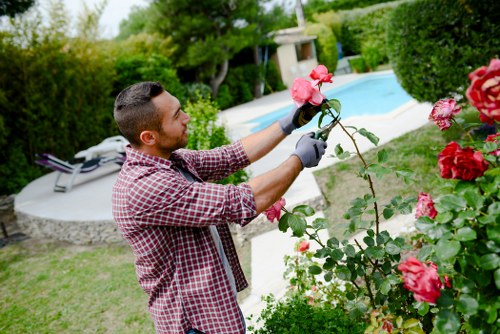
When hedge trimming in Stoke Newington is ignored for too long, a range of problems can appear. Overgrown hedges are not just visually untidy; they can create practical issues that affect both the garden and the property itself.
Some common problems include:
- Reduced light: hedges can cast heavy shade over gardens and windows.
- Encroachment: growth may spread across paths, driveways, or neighboring boundaries.
- Uneven shape: neglected hedges often develop thin areas and awkward bulges.
- Lower plant health: old, woody growth can reduce airflow and limit new shoots.
- Safety concerns: overgrowth may block sightlines or make outdoor spaces harder to use.
In dense urban settings, a neglected hedge can quickly become a nuisance. It may interfere with pedestrians, create tension with neighbors, or make the front of a property look untidy. By staying ahead with regular hedge trimming, property owners can avoid these problems and keep their gardens easier to manage.
There is also a structural element to consider. If a hedge becomes too large, cutting it back drastically may leave it exposed or weakened. Consistent hedge maintenance is far better than relying on a heavy corrective cut every few years.
Hedge Trimming for Front Gardens, Back Gardens, and Boundaries
Different areas of the property call for different hedge trimming approaches. In Stoke Newington, homes often have small front gardens, enclosed back spaces, and shared boundaries, each with its own needs.
Front gardens
Front-facing hedges are especially important because they shape the first impression of the home. A precise trim can improve curb appeal and make the entrance feel more open and cared for. Even a modest hedge can make a property look elegant when maintained properly.
Back gardens
In rear gardens, hedge trimming in Stoke Newington often focuses on privacy, shelter, and proportions. Hedges may border seating areas, lawns, or planting beds. Keeping them neat helps preserve usable space and prevents them from overwhelming the rest of the garden layout.
Boundary hedges
Boundary hedges require particular attention because they sit close to neighboring properties. Regular maintenance helps avoid disputes and keeps the boundary line clear. If a hedge is shared, communication and a consistent trimming plan can help everyone benefit from a tidy result.
Good hedge care is about balance: enough growth for screening and greenery, but enough control to preserve space and structure. This balance is one of the main reasons residents seek out hedge trimming in Stoke Newington rather than letting hedges grow freely.
Why Shape and Technique Matter
Good hedge trimming is not only about cutting back excess length. It is also about creating a shape that looks attractive and supports the hedge’s ability to grow evenly. A hedge with a slightly wider base and a narrower top often receives better light, which helps lower branches stay healthy.
Technique makes a major difference. Cutting too severely can expose bare stems, while uneven trimming can leave the hedge lopsided. Skilled hedge trimming in Stoke Newington often includes gradual shaping rather than removing too much at once.
Some hedges are best kept formal and straight, while others can have a softer, more natural outline. The right choice depends on the style of the property and the purpose of the hedge. A neat box hedge may suit a traditional terrace, while a looser boundary hedge may be more appropriate for a relaxed garden space.
People often focus on the visible top line, but the sides matter just as much. If the sides are too vertical or too wide, the hedge may struggle to receive enough light. Careful shaping improves both the appearance and the performance of the plant.
Hedge Trimming and Garden Health
Healthy hedges contribute to healthy gardens. By trimming hedges regularly, you improve airflow, reduce dampness, and create better growing conditions nearby. This can benefit surrounding plants as well as the hedge itself.
For example, dense overgrowth can trap moisture and reduce air movement around borders. That can make other plants more vulnerable to fungal issues or weak growth. Hedge trimming in Stoke Newington supports a more balanced garden environment by preventing one plant from dominating the space.
It can also help reveal hidden issues. Once a hedge is trimmed back, it is easier to notice pests, dieback, or stems that need attention. Early detection often means simpler remedies and a healthier hedge in the long term.
In many urban gardens, sunlight is already limited by buildings, fences, and nearby structures. Keeping hedges under control helps maximize the available light, allowing lawns, shrubs, and flowering plants to thrive more effectively.
Choosing the Right Approach for Your Hedge
Not every hedge needs the same style of maintenance. Some need frequent light trimming; others respond better to less regular, more thoughtful pruning. The best hedge trimming in Stoke Newington always begins with the hedge type, age, and condition.
Consider the following when planning hedge work:
- Growth speed: fast-growing hedges need more frequent attention.
- Purpose: privacy hedges, decorative hedges, and boundary hedges all have different priorities.
- Size: taller hedges may need specialist handling or extra care.
- Current shape: heavily overgrown hedges may need staged reduction.
- Season: the best time for cutting varies by species and weather conditions.
Staged trimming is often the best solution for hedges that have become too large. Instead of cutting everything back aggressively in one visit, gradual shaping may preserve health and reduce shock. This is especially useful for older hedges that have formed thick woody stems.
Whether the goal is privacy, style, or simple tidiness, a measured approach produces better results. That is why many homeowners prefer a professional service for hedge trimming in Stoke Newington: it brings experience, consistency, and better long-term outcomes.
Keeping Hedges Looking Good All Year Round
Maintaining a tidy hedge is an ongoing process, not a one-time job. In Stoke Newington, where gardens can be compact and highly visible, regular care helps hedges remain a positive feature rather than a maintenance burden.
A sensible routine might include light seasonal trims, occasional inspection for problem growth, and attention after periods of rapid growth. This approach keeps the hedge in manageable condition and reduces the need for drastic cutting later.
For many property owners, the goal is simple: keep the hedge neat, healthy, and in proportion to the garden. That is exactly what consistent hedge trimming in Stoke Newington can achieve. A clean, well-shaped hedge can improve the atmosphere of the entire outdoor space.
It is also a practical investment in the property. A well-kept hedge suggests that the rest of the garden is cared for too. That sense of order can make a front garden more appealing, a backyard more enjoyable, and the whole property more pleasant to use.
Why Local Knowledge Helps
Local knowledge can make hedge trimming in Stoke Newington more effective. Gardens in this area often deal with limited access, tight spaces, neighboring properties, and a mix of mature and newer planting. Understanding these conditions helps create a better result with less disruption.
Local experience also means being aware of the character of the neighborhood. Some homes benefit from formal, crisp lines, while others suit a softer, more natural hedge profile. The best trimming work takes the surrounding architecture and garden style into account.
For residents who value efficiency and presentation, a local approach is especially helpful. It ensures the hedge is trimmed in a way that fits the property, the season, and the practical needs of the space. In a busy area, that can save time while improving the garden’s appearance.
If your hedge is getting out of shape or simply needs routine care, contact us today to discuss hedge trimming in Stoke Newington. Book your service now and keep your garden looking neat, healthy, and welcoming throughout the year.
Final Thoughts on Hedge Trimming in Stoke Newington
Hedge trimming in Stoke Newington is an important part of keeping gardens attractive, private, and manageable. From shaping front garden hedges to maintaining boundary screens and back garden features, regular trimming makes a clear difference to both appearance and plant health.
By understanding hedge type, timing, and technique, homeowners can avoid overgrowth and maintain a neat outdoor space all year round. Whether you prefer light seasonal shaping or more detailed hedge maintenance, the key is consistency. A well-trimmed hedge adds structure, boosts curb appeal, and supports a healthier garden environment.
When done properly, hedge trimming is one of the most effective ways to improve a property without major changes. For anyone looking to protect the look and condition of their outdoor space, professional hedge trimming in Stoke Newington remains a smart and valuable choice.